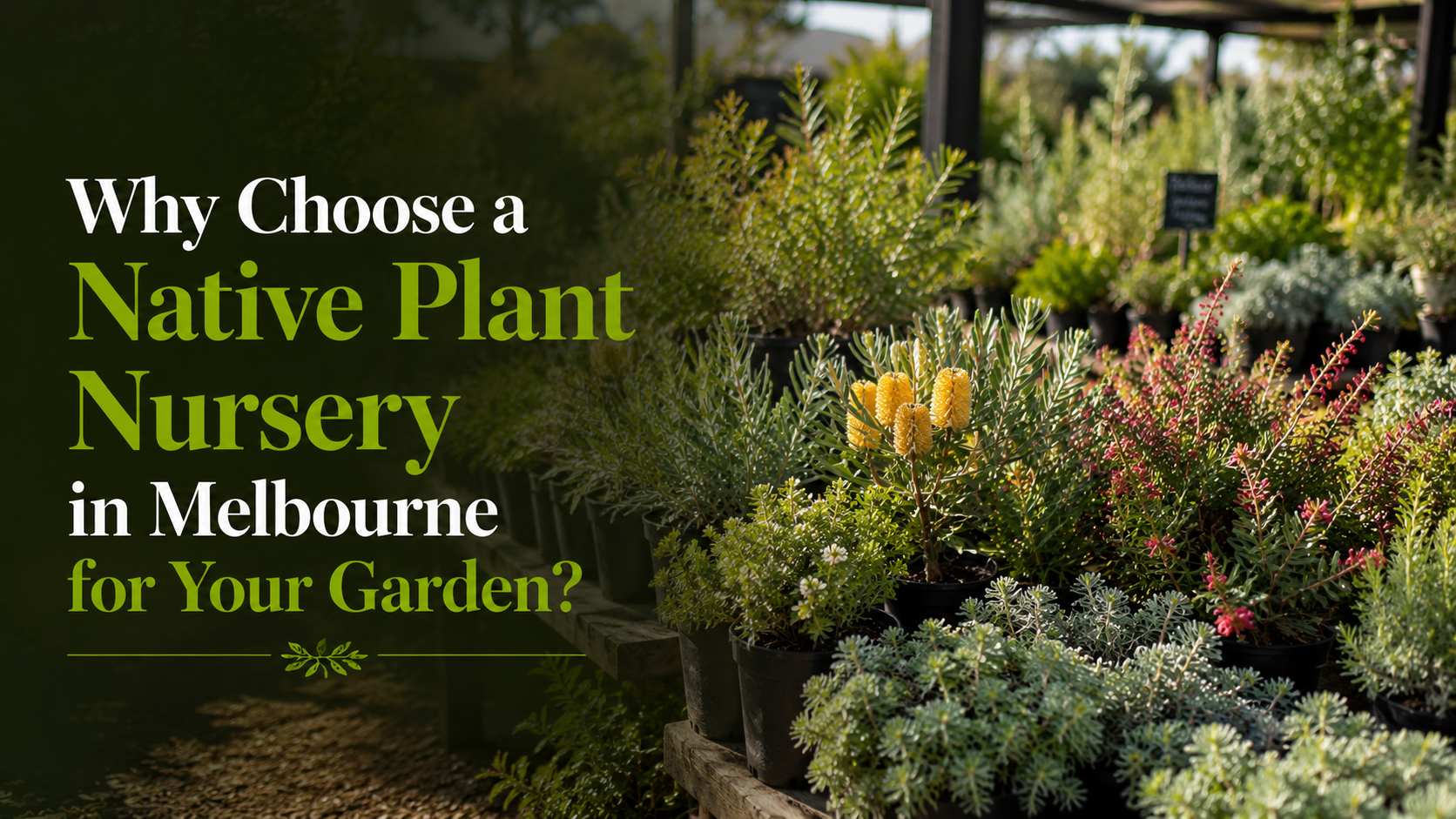
In the Newport region, fruits were visually appealing and pleasing to the palate. However, Newport has fruit trees, making it the perfect multi-functional addition to all kinds of gardens. There are several benefits to growing fruit trees within your garden, and once you get started, it’s a low-maintenance outdoor plant solution to keep your fruit bowl fully stocked and organic by nature.
Before starting your fruit tree projects, it is essential to understand which seasons to plant in and why. It is critical to know which types of fruit grow on the evergreen and deciduous trees. Let’s discuss the best times to plant fruit trees per season in a country like Australia.
Newport Native Nursery comes with a wide variety of trees for every garden, with next-day delivery available in selected Newport suburbs.
Deciduous trees and Evergreen trees
Before delving into the proper times to plant edible plants Newport, it is critical to outline the difference between deciduous and evergreen trees.
Our low maintenance outdoor plants, like deciduous trees, are mainly flowering by nature, and they simultaneously lose their leaves in the Autumn.
Evergreen trees try to keep their leaves all year round.
Fruit Trees To Plant in Summer
To plant low maintenance outdoor plants, summer is the ideal season for all kinds of evergreen fruit trees. It is Sunshine that warms the soil, creating an environment suitable for citrus fruits like lemons, limes, oranges, grapefruits, and cumquats to thrive.
Here exists a comprehensive list of what to exact plant in summer:
- Persimmons (Deciduous)
- Pomegranates (Deciduous, evergreen in tropical areas)
- Grapefruits (Evergreen)
- Nectarines (Deciduous)
- Oranges (Evergreen)
- Lemons (Evergreen)
Fruit Trees to Plant in Autumn
Citrus fruit trees are evergreen, and they continue to thrive even in the autumn. As a result, autumn remains the perfect time to plant citrus fruit trees. However, deciduous fruit trees do begin to shed in the autumn, so it isn’t the optimal time to plant stone-bearing (deciduous)fruit trees.
According to the above list, you can always stand to plant the following species even in the autumn:
- Plums (Deciduous)
- Pears (Deciduous)
- Cherries (Deciduous)
- Peaches (Deciduous)
- Apples (Deciduous)
Fruit Trees to Plant in Winter
Edible plants Newport are deciduous fruit trees, which consist of pears, apples, nectarines, cherries, peaches, and plums. They are best planted in the Winter, especially when the ground is bare. There exist evergreen trees that can always be planted in the Winter.
- Jaboticaba fruit (Evergreen)
- Guava (Evergreen)
- Olives (Evergreen)
- Lychee (Evergreen)
- Durian (Evergreen)
- Jackfruit (Evergreen)
- Cashew (Evergreen)
- Persimmons (Deciduous)
- Avocados (Semi-deciduous)
Fruit Trees to Plant in Spring
Spring is the perfect season for low maintenance outdoor plants like evergreen fruit trees, as the soil seems to warm up even in the Spring season.
Some of the trees consist of
- Coconuts (Evergreen)
- Almonds (Deciduous)
- Mulberries (Deciduous)
- Peaches (Deciduous)
- Figs (Deciduous)
- Mangoes (Evergreen)
- Apricots (Deciduous)
Benefits of Growing Your Own Fruit and Veggies
There are certain benefits to growing your own fruits and vegetables within your garden all year round, including:
- Fewer runs to the supermarket
- Less usage of plastic
- Access to organic produce
- Control over the entire process, including fertilizers, pesticides, and water.
- A relaxing hobby and a sense of satisfaction
- Reduction in the food costs
- Increased biodiversity in your garden
What You’ll Need for Successful Fruit Trees
Most of the fruit trees require regular and consistent sunlight to thrive. Fruit trees need good drainage and ample space to grow. Furthermore, the surface soil should be soft and deep with a PH between 5.8 and 6.5.
As a result, fruit trees should be protected from the wind, ensuring that you plant your trees in a calm part of the garden. Not every fruit tree can be grown from a single seed. Certain fruit trees, like pears and apples, need to be planted in pairs so that they can cross-pollinate. Most of the fruit thrives even in containers, such as cherries, apples, nectarines, tangerines, limes, and lemons.
Final Thought
Keep in mind that “Rome wasn’t built in a day”. It does take some time to witness the fruits of your labour. It takes anywhere from one to ten years for fruits to begin blooming. If you seem like a beginner and are unsure about how to get started exactly, keep in mind that there are so many easy-to-understand resources found on the Newport Native Nursery website to help you on your way. It stocks a number of fruit trees, including lemon trees, Pomegranate trees, and Apple gala trees.